So, you’ve enjoyed weeks of flawless, chip-free color with your semi-permanent nail polish (sometimes called long-lasting gel hybrid or soak-off gel). But now, it’s time for a change or your nails need a breather. Removing this super-durable polish requires a bit more effort than regular polish, but fear not! Doing it safely and caring for your nails afterwards is totally manageable. Let’s break it down step-by-step.
Part 1: The Removal Process – Patience is Key!
Forget quick swipes of remover. Semi-permanent polish is bonded strongly to your nail plate and needs dissolving. Here’s the safest at-home method:
1. Gather Your Gear:
- 100% Pure Acetone: This is non-negotiable. Regular nail polish remover won’t cut it. Look for pure acetone at beauty supply stores or drugstores.
- Cotton Balls or Pads: Cut them into small pieces, roughly the size of your nails.
- Aluminum Foil: Cut into small squares (about 3×3 inches) OR Specialized Nail Clips (optional but helpful).
- Orange Stick or Wooden Cuticle Pusher: Gently rounded end.
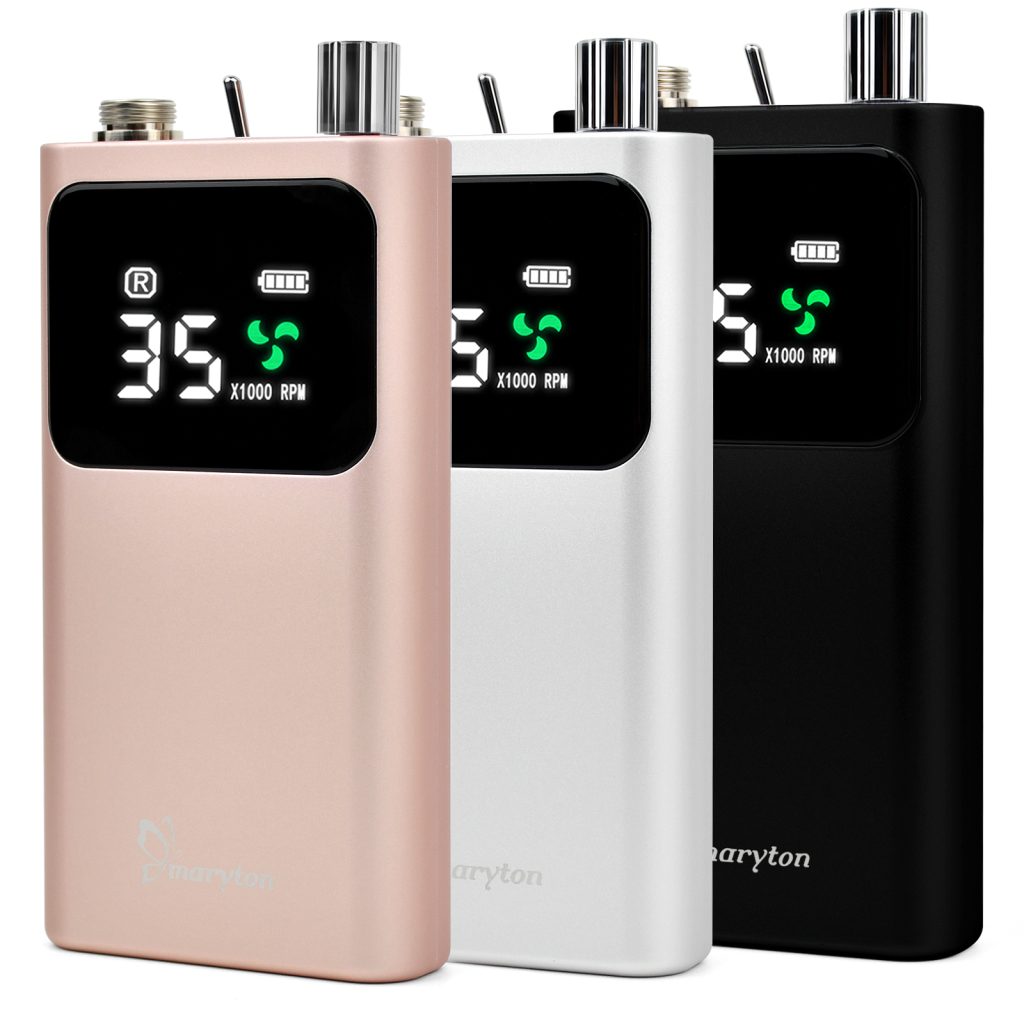
- Nail File: If you are skilled in the technique, an electric nail file would be a good choice.
- Cuticle Oil or Rich Hand Cream: For aftercare!
- Protection: Petroleum jelly (like Vaseline) to protect surrounding skin, and nail buffer if needed after removal.
2. Prep the Polish:
File the Shiny Top Layer (Buffing): Gently but firmly, use your nail file to buff off the super shiny top coat only. You don’t need to remove all the color, just break that sealed surface so the acetone can penetrate. Be careful not to file your actual nail! Stop when the surface looks slightly dull and matte.
3. The Soak:
- Soak a cotton piece thoroughly in pure acetone – it should be wet but not dripping.
- Place the soaked cotton directly onto one nail.
- Wrap the fingertip tightly with aluminum foil, securing the cotton in place. Repeat for all nails.
- Alternatively: If using nail clips, place the soaked cotton on the nail and clamp the clip over it.
4. Wait Patiently:
Let the acetone work its magic for 10-15 minutes. This is crucial. Don’t peek early! Setting a timer helps. You might feel a slight coolness or tingling – this is normal.
5. Gentle Removal:
- After 15 minutes, unwrap one finger. Test a small edge of the polish with your orange stick. If it’s ready, the polish should lift away easily like a soft jelly or peel off in flakes. Never pry or force it!
- If it feels stuck, re-wrap that finger and wait another 3-5 minutes. Rushing causes damage.
- Use the gentle edge of the orange stick to carefully nudge the softened polish off the nail plate. Hold the stick almost flat against the nail and push the polish, don’t scrape upwards aggressively.
- Repeat for each finger. If polish feels stubborn on any nail, re-soak just that one.
6. Final Clean-Up:
Any tiny bits of remaining polish? Resist scraping! Instead, soak a cotton ball in acetone, hold it on the stubborn spot for 30-60 seconds, then gently wipe away. Repeat if needed.
Part 2: Removal Red Flags – What NOT to Do!
- Peeling or Picking: Peeling off semi-permanent polish literally rips away layers of your natural nail, leaving them weak, thin, and peeling. Be patient with the soak.
- Skipping the Buffing: If you don’t break the seal of the top coat, the acetone can’t penetrate effectively, leading to longer soak times and potential scraping.
- Using Non-Acetone Remover: It simply won’t dissolve the polish properly, leading to frustration and more scraping attempts.
- Over-Filing: Buffing only the top layer is key. Filing too aggressively thins your nails.
- Scraping Aggressively: Digging into the nail plate with a metal tool or sharp edge causes grooves and damage. Gentle nudging is the way.
- Ignoring Your Skin: Acetone is very drying. Apply petroleum jelly around your nails (not on them) before soaking to protect your skin. Wash hands thoroughly after.
- Poor Ventilation: Acetone fumes are strong. Work in a well-ventilated area.
Part 3: Nurturing Your Nails Post-Removal – The Recovery Spa!
After the acetone assault, your nails and cuticles are thirsty and vulnerable. Treat them kindly:
1. Hydrate Immediately: Wash your hands with gentle soap to remove any acetone residue. Pat dry, then slather on cuticle oil generously. Massage it into your cuticles and nail plates. This is non-negotiable! Do this step ASAP after removal.
2. Deep Moisturize: Follow up with a thick, rich hand cream or a dedicated nail/cuticle balm. Focus on massaging it into the nails and surrounding skin.
3. Give Them a Break: Your nails just underwent a chemical process and likely some buffing. Give them at least a few days, ideally a week or two, to breathe and recover before applying any new polish (semi-permanent or regular). This helps prevent long-term weakening and yellowing.
4. Keep Hydrating: Reapply cuticle oil multiple times daily (morning, night, whenever you wash your hands). Hydration is key to flexibility and preventing peeling.
5. Be Gentle: Avoid using your nails as tools (opening cans, scratching labels). Wear gloves for washing dishes and cleaning to protect them from water and chemicals.
6. Light Buffing: If your nails feel rough after removal, use a very fine-grit buffing block gently in one direction to smooth the surface. Don’t overdo it!
7. Nourish from Within: A balanced diet with plenty of protein, vitamins (especially Biotin), and minerals supports healthy nail growth.
Removing semi-permanent polish doesn’t have to be scary or damaging. By soaking patiently with the right acetone, resisting the urge to pick, and committing to serious hydration and a little rest afterwards, you can safely switch up your look and keep your natural nails strong and healthy underneath. Your nails will thank you for the TLC! Remember, beautiful nails are healthy nails first. Treat them well after removal, and they’ll be ready for their next semi-permanent adventure.
Read also: Beyond the Polish: Your Guide to 2025 Nail Art & Making It Last!
